
Sialon-dypvarmer til støberi af aluminium
Siliciumnitrid-dypvarmer til smeltet aluminium: en vejledning til ingeniører i støberiet
Gasovne spilder op til 80 % af deres energi, inden den når frem til aluminiumbadet. Et Sialon-dypvarmeelement har en virkningsgrad på over 99 % — her kan du læse, hvordan det fungerer, og hvornår det er det rigtige valg. I dette indlæg vil vi se nærmere på, hvorfor et Sialon-dypvarmeelement til aluminium kan være en banebrydende løsning inden for industrielle opvarmningsanvendelser.
26. juli 2026 · 11 minutters læsetid
TL;DR
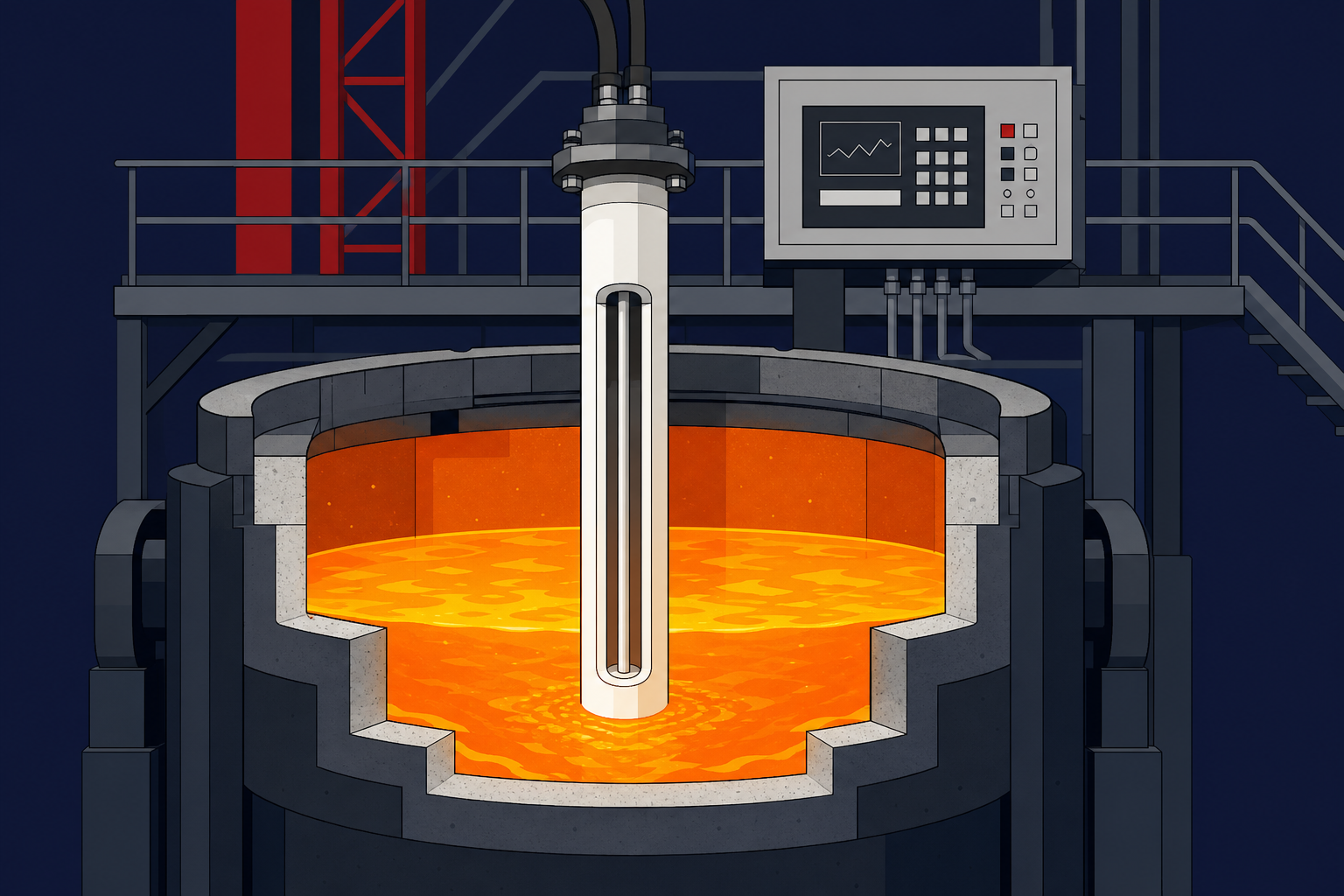
Ved indirekte gasopvarmning går 55–80 % af energien tabt til omgivelserne, inden noget af den når frem til aluminiumet. Et nedsænkningsvarmeelement af siliciumnitrid reducerer dette spild til næsten nul – over 99 % af den tilførte elektricitet omdannes til varme i metallet. Resultatet er 30–50 % lavere energiomkostninger, temperaturregulering inden for ±2 °C i stedet for ±10–15 °C samt betydeligt mindre slagge pr. skift. Den teknologi, der gør dette muligt, er keramik af siliciumaluminiumoxynitrid (sialon): Den kan holde til at være i smeltet aluminium i ubegrænset tid, fordi metallet simpelthen ikke klæber til overfladen. Sialon Ceramics har leveret disse varmeelementer til støberier siden 1986 og yder nu en 12-måneders garanti, der dækker både kemisk angreb og elektriske defekter.
Problemet med indirekte opvarmning
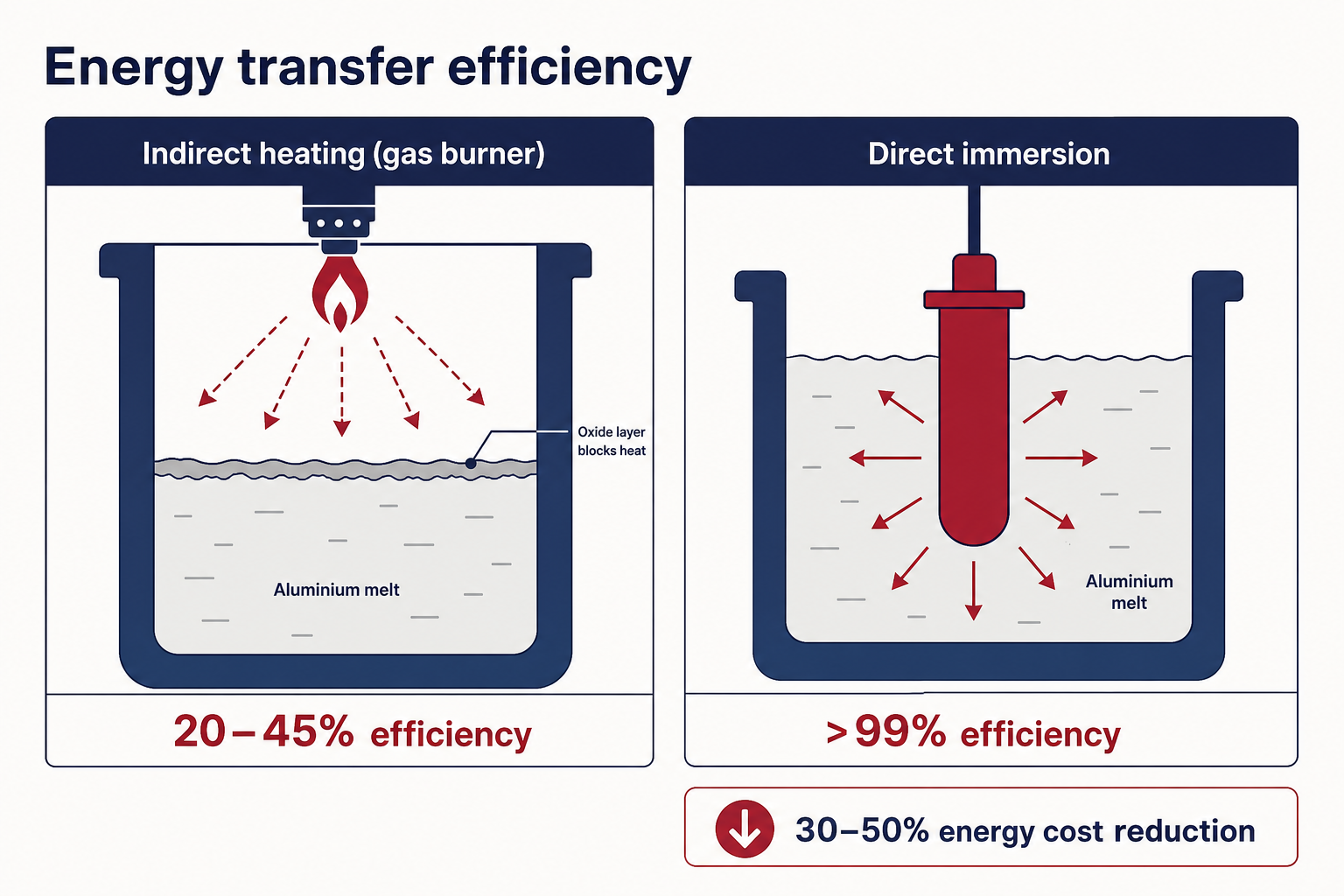
Enhver ingeniør, der arbejder med en gasfyret refleksionsovn, kender fysikken, men tallene er stadig ubehagelige, når man lægger dem sammen. For at opretholde et smeltebad på 720 °C skal ovnens atmosfære nå op på 900–1.000 °C, fordi varmebanen er ekstrem: varme forbrændingsgasser opvarmer det ildfaste loft og væggene, som udstråler varme nedad, hvilket opvarmer smelteoverfladen, som – takket være aluminiumets stærkt reflekterende oxidlag – reflekterer en betydelig del af varmen tilbage. Den bedste termiske virkningsgrad for en gasfyret indirekte ovn ligger på omkring 45 %. I ældre eller mindre optimerede anlæg er den 20–30 %.
Den overophedede atmosfære har endnu en virkning: Den udsætter aluminiumet for en kraftig påvirkning ovenfra og ned. Smelteoverfladen er varmere end resten af smelten. Oxiddannelsen er proportional med temperaturen, så overfladen danner konstant slagge. Turbulensen fra brænderstrålerne blander disse oxider tilbage i smelten. For støbegods til luftfart eller højtydende biler er indeslutninger fra denne cyklus ikke blot et mindre kvalitetsproblem – de er årsagen til, at emnerne må kasseres.
Problemet med indirekte opvarmning er ikke kun gasregningen. Det er de samlede omkostninger ved energispild, tab af metal i form af slagge samt fejlprocenten som følge af et smeltebad, der ikke kan holdes stabilt.
 —
—
Sådan fungerer direkte neddykningsopvarmning
Funktionsprincippet er enkelt: Varmekilden placeres inde i metallet i stedet for oven på det. Et nedsænkningsvarmeelement er et modstandsvarmeelement, der er indkapslet i en beskyttende keramisk kappe og monteret gennem ovnvæggen eller låget ved hjælp af en flangetilslutning, hvor den opvarmede zone er helt nedsænket i det smeltede bad.
Varmeoverførslen sker ved ledning direkte fra den keramiske overflade til det omgivende aluminium. Den nødvendige temperaturgradient er meget lille – for at opretholde et bad på 720 °C behøver varmeelementets overflade kun at være omkring 750 °C, sammenlignet med en ovnatmosfære på 900–1.000 °C i et gassystem. Den lille gradient er årsagen til, at virkningsgraden overstiger 99 %. Der er ingen tab i form af røggas, ingen tab i ildfaste materialer og intet spild på opvarmning af luft.
Det andet element er temperaturregulering. Nærmere bestemt holder en PID-regulator, der er tilsluttet et termoelement i smeltemassen, automatisk badet inden for ±2 °C af indstillingsværdien. Dermed er der ikke behov for manuel justering. Desuden tænder og slukker varmeelementet i takt med badets temperatur i realtid, i stedet for at reagere på en måling af ovnens atmosfære, som halter flere minutter bagud i forhold til metallet.
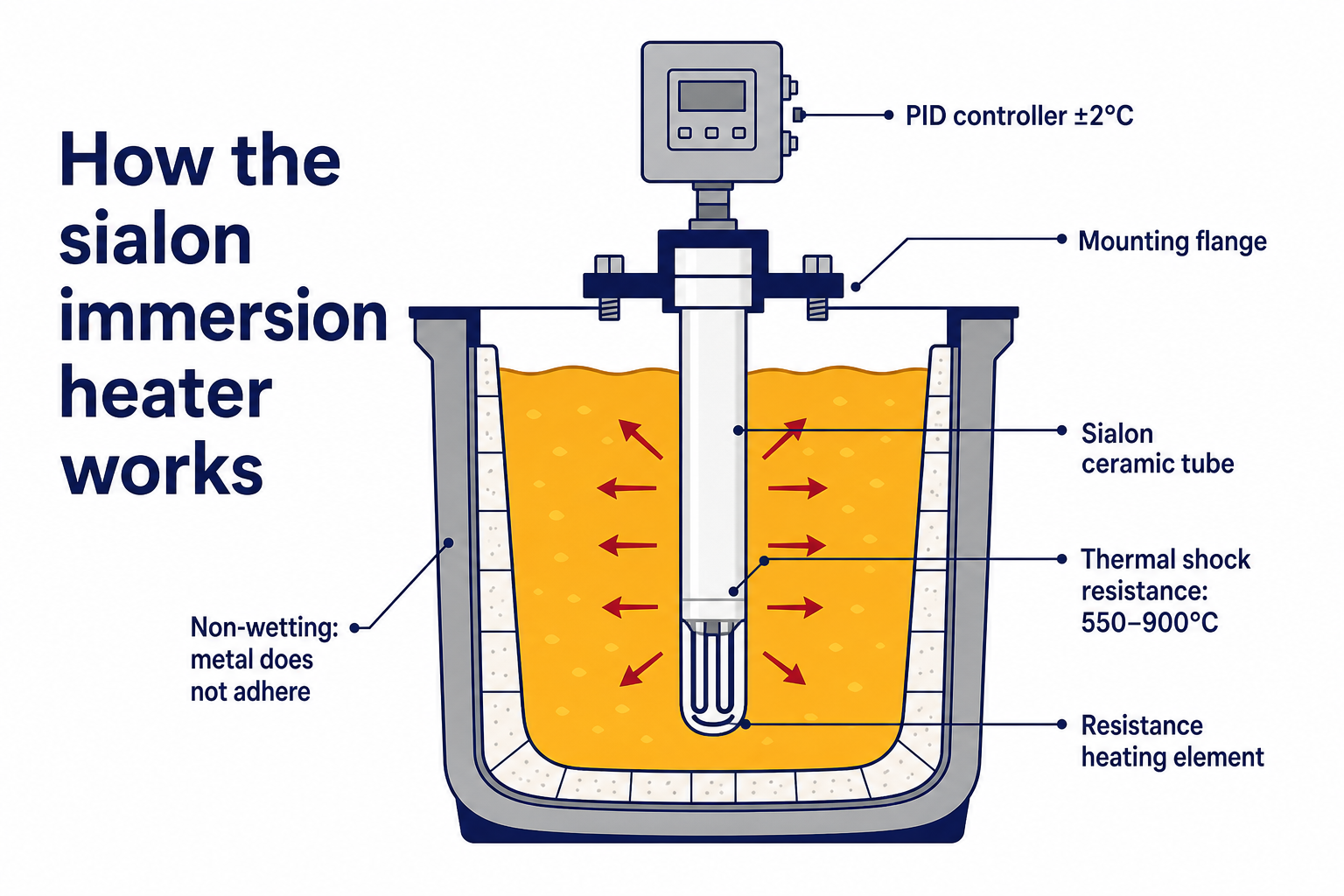 Naturlig konvektion sørger for fordelingen. Varmt metal tæt på varmeelementet stiger op, mens køligere metal fra den anden side af smeltebadet synker ned for at erstatte det. Bevægelsen er blid og kontinuerlig uden den turbulens, som en gasbrænders stråle medfører. Overfladen forbliver rolig. Oxidskorpen forbliver intakt og flyder frit, i stedet for at blive trukket ind i smeltemassen.
Hvorfor de tidligere elpatroner svigtede – og hvad siliciumnitrid ændrede på
Konceptet med nedsænkningsopvarmning er ikke nyt. Det, der i årtier forhindrede det i at blive almindelig praksis, var materialerne: beskyttelsesrøret svigtede gang på gang, og når det svigtede i et miljø med smeltet metal, gik det helt galt.
Tre fejltyper dominerede de tidlige konstruktioner:
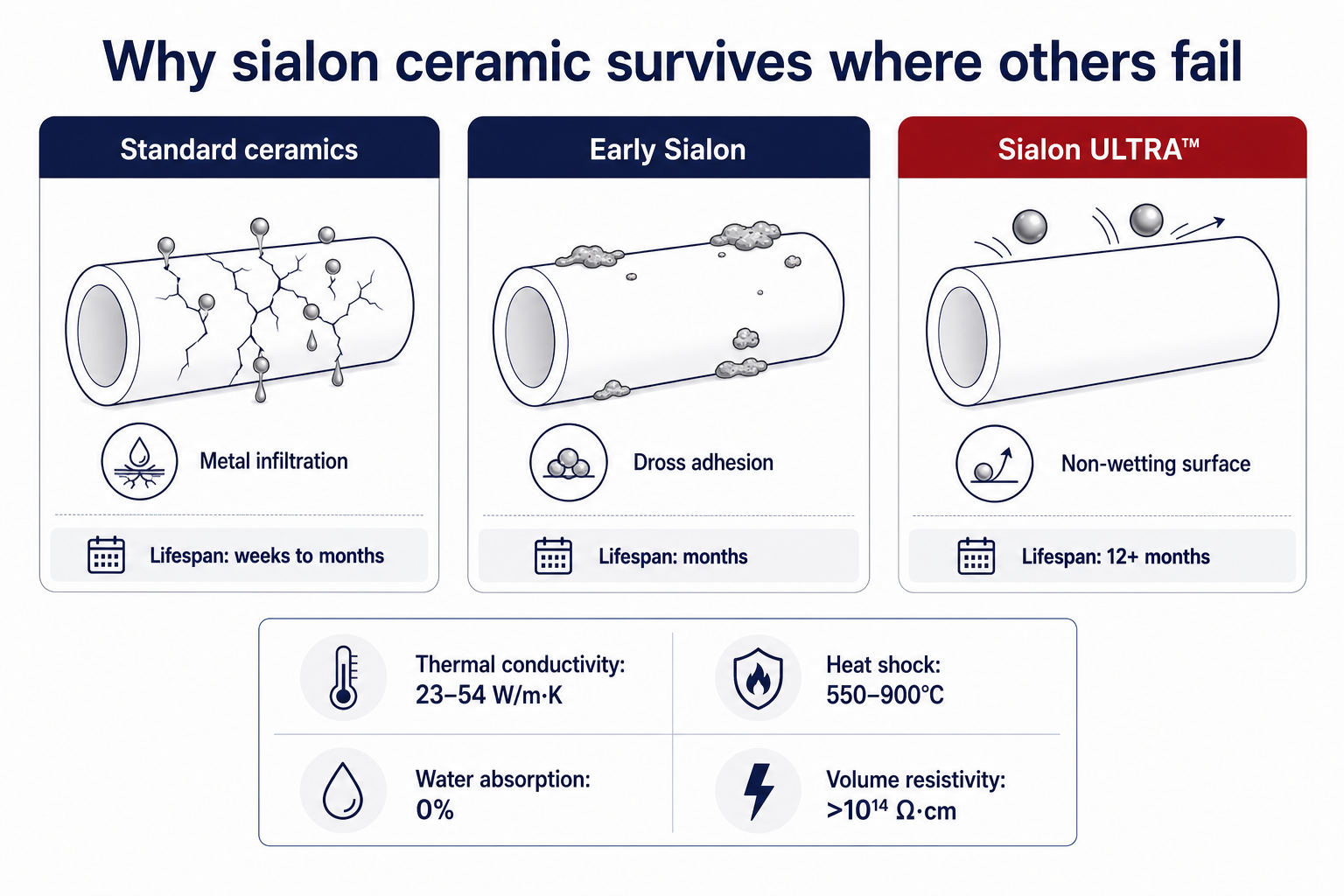
Metalinfiltration. Støbejernsrør og de tidlige rør af aluminiumoxid-grafit var porøse. I løbet af nogle uger trængte aluminium ind i porerne. Røret blev tungt og elektrisk ledende. Dette førte til kortslutninger.
Kemisk angreb. De smeltemidler og salte, der anvendes ved aluminiumsstøbning – især klorbaserede afgasningsmidler – forårsagede hurtig korrosion af standardkeramik. Et rør, der holdt i seks måneder i en ren legering, kunne måske kun holde i seks uger i en proces, hvor der anvendes aggressive smeltemidler.
Revnedannelse som følge af termisk chok. Et koldt keramisk rør, der sænkes direkte ned i smeltet metal ved 720 °C, vil revne. Operatører, der sprang forvarmningsprocedurerne over, fik det at mærke på den dyre måde.
Sialon-keramik – silicium-aluminium-oxynitrid, Si₃Al₃O₃N₅ – imødegår hver enkelt fejltype på materialeniveau.
Ikke-væskeabsorberende overflade
Den afgørende egenskab er ikke-befugtning. Smeltet aluminium klæber ikke til sialon-overflader — metallet strømmer rundt om røret på samme måde, som vand glider af en voksbehandlet overflade. Dette er ikke en belægning; det er en iboende egenskab ved siliciumnitridets kornstruktur. Uden befugtning kan der ikke ske infiltration. Uden infiltration forbliver røret elektrisk isolerende gennem hele sin levetid. Volumenresistiviteten overstiger 10¹⁴ Ω·cm — hvilket er bedre end de fleste industrielle keramiske materialer efter langvarig brug.
Modstandsdygtighed over for flux og saltangreb
Sialon-kemien er desuden praktisk talt immun over for angreb fra smeltemidler og salte. Støberier, der anvender klorbaseret afgasning, natriumbaseret smeltemiddel eller aggressive kemikalier til fjernelse af oxider, kan anvende sialon-varmeelementer i disse processer uden, at der sker en fremskyndet nedbrydning.
Modstandsdygtighed over for termisk chok
Om termisk chok: Modstandsdygtigheden over for varmeschok ligger mellem 550 og 900 °C, afhængigt af kvaliteten. Det betyder, at hurtige temperaturændringer, der ville få et standardrør af aluminiumoxid til at sprænges, lader sialon forblive intakt — forudsat at forvarmningsproceduren stadig følges. Femten minutter over smelteoverfladen inden nedsænkning fjerner luftfugtighed og hærder keramikken. Udelades dette trin, vil selv sialon revne.
Præstationsdataene
Her er, hvad overgangen fra indirekte gasopvarmning til siliciumnitrid-nedsænkning rent faktisk medfører, baseret på dokumenterede resultater fra forskellige støberier:
| Metrisk | Indirekte (gasfyret) | Nedsænkning i siliciumnitrid |
|---|---|---|
| Termisk virkningsgrad | 20–45 % | >99% |
| Energibesparelser i forhold til gas | — | 30–50 % omkostningsreduktion |
| Temperaturnøjagtighed | ±10–15 °C | ±2 °C |
| Metaltab til slagge | 1–2 % pr. vagt | <0.5% per shift |
| Direkte CO₂-emissioner | Direkte forbrænding (Scope 1) | Nul direkte (Scope 2) |
| Typisk afkast på investeringen i en opbevaringsovn | — | Under 8 måneder |
Tallet for reduktion af slagge fortjener større opmærksomhed, end det normalt får. På en produktionslinje med høj kapacitet, der forarbejder flere ton pr. skift, er en reduktion på 1,5 % i metaltab ikke blot en afrundingsfejl – det er ton aluminium om året, der ikke ender i slaggebunken. Med de nuværende LME-priser udgør det en betydelig post. Det forenkler også håndteringen af farligt affald: Mindre mængder slagge betyder lavere bortskaffelsesomkostninger og enklere overholdelse af lovgivningen.
For virksomheder, der leverer komponenter til luftfartsindustrien eller tier-1-bilindustrien, kan kvalitetshensynet veje tungere end energihensynet. Et bad, der holdes på ±2 °C, genererer færre oxidindeslutninger og sikrer en mere ensartet viskositet gennem hele støbeprocessen. Færre indeslutninger betyder færre kasserede emner. Færre kasserede emner betyder mindre omsmeltning, hvilket fuldender energieffektivitetskredsløbet.
»Kunder har rapporteret energibesparelser på 20 %, 30 % og endda 40 % ved brug af elpatroner i forskellige sammenhænge.« – Atherm, producent af elpatroner
»Dypvarmere holder overfladen kølig i forhold til bunden. Overfladen forbliver uforstyrret. Der dannes mindre oxid. Der er behov for mindre afskumning. Metaludbyttet stiger.« – AdTechs tekniske dokumentation
Den garanti, der adskiller premium-modellerne fra budgetmodellerne
Et aspekt, der siger meget om et varmeapparatets konstruktion: hvad producenten er villig til at garantere skriftligt.
Sialon ULTRA™-aluminiumsdypvarmeren leveres med en 12-måneders garanti mod både kemisk nedbrydning og elektriske fejl i smeltet aluminium. Denne dobbelte dækning – kemisk og elektrisk – er vigtig, da billigere varmeelementer typisk kun dækker det ene eller slet ingen af delene. En garanti, der udelukkende dækker kemisk nedbrydning, beskytter dig ikke, hvis det indre element kortslutter på grund af keramisk porøsitet. En garanti på 6 måneder, uanset hvilken type, afspejler producentens tillid til produktet.
Den 12-måneders dobbelte garanti afspejler resultatet af Sialon Ceramics’ 40 års materialeudvikling: et keramisk materiale med en porøsitet tæt på nul (0 % vandabsorption), elektrisk isolering, der holder gennem hele levetiden (>10¹⁴ Ω·cm volumenresistivitet), samt en modstandsdygtighed over for flux, der er indbygget i kornets kemiske sammensætning. Disse egenskaber afspejles direkte i den garanti, som virksomheden er villig til at tilbyde.
Prisbillige elpatroner, der er fremstillet af sialon af lavere kvalitet eller bundet siliciumkarbid, ser ofte attraktive ud på grund af den lave anskaffelsespris. I praksis betyder højere porøsitet imidlertid hurtigere indtrængning af vand, kortere levetid og hyppigere udskiftning – og hver udskiftning medfører risiko for produktionsafbrydelser. De samlede ejeromkostninger over en periode på 24 måneder taler typisk til fordel for keramik af høj kvalitet.
Tekniske overvejelser: installation, dimensionering og vedligeholdelse
For at få det optimale udbytte af et siliciumnitrid-dypvarmeelement er det vigtigt at indstille nogle få installations- og driftsparametre korrekt.
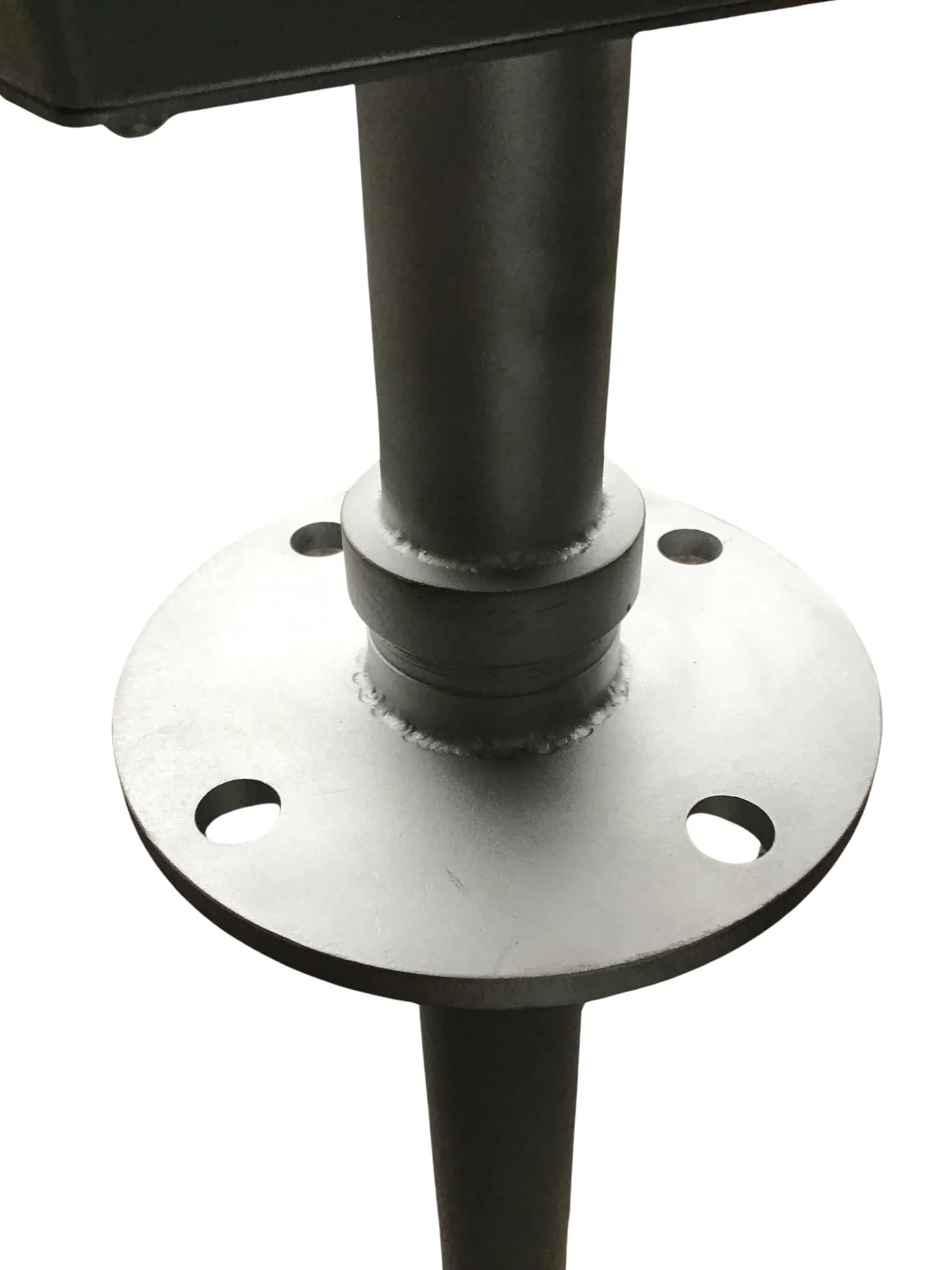 Monteringsretning. Lodret montering minimerer den mekaniske belastning på det keramiske rør. Vandret eller skrå montering er mulig med passende afstivning, men da keramikken er skør, udgør et uafstivet udhæng en risiko.
Nedsænkningsdybde. Den opvarmede zone skal have mindst 150 mm fri højde over ovnbunden (for at undgå, at den bliver begravet i bundfaldet slam) og skal forblive mindst 150 mm under badets minimumsniveau. Hvis badets niveau falder og blotlægger den opvarmede zone, stiger elementernes temperaturer hurtigt.
Effekttæthed. Den generelle anbefaling er 20–25 kW/m² røroverfladeareal. Overskrides dette, medfører det lokal overophedning af aluminiumet i nærheden af røret, hvilket modvirker fordelen ved reduktion af slagger.
Protokol for forvarmning. Placer varmeelementet over smelteoverfladen i 10–15 minutter ved lav effekt, inden det nedsænkes. Dette fjerner luftfugtighed fra keramikken og forbereder røret på termisk chok. Operatører, der springer dette trin over, er årsagen til størstedelen af de for tidlige rørsvigt.
Placering af termoelementer. Reguleringstermoelementet skal placeres tæt på varmeelementet, uden at det rører ved det; et separat sikkerhedstermoelement skal måle temperaturen i smeltemassen. Ved at indstille PID-regulatoren ud fra disse to punkter opnår man en responsiv regulering uden temperaturoverskridelse.
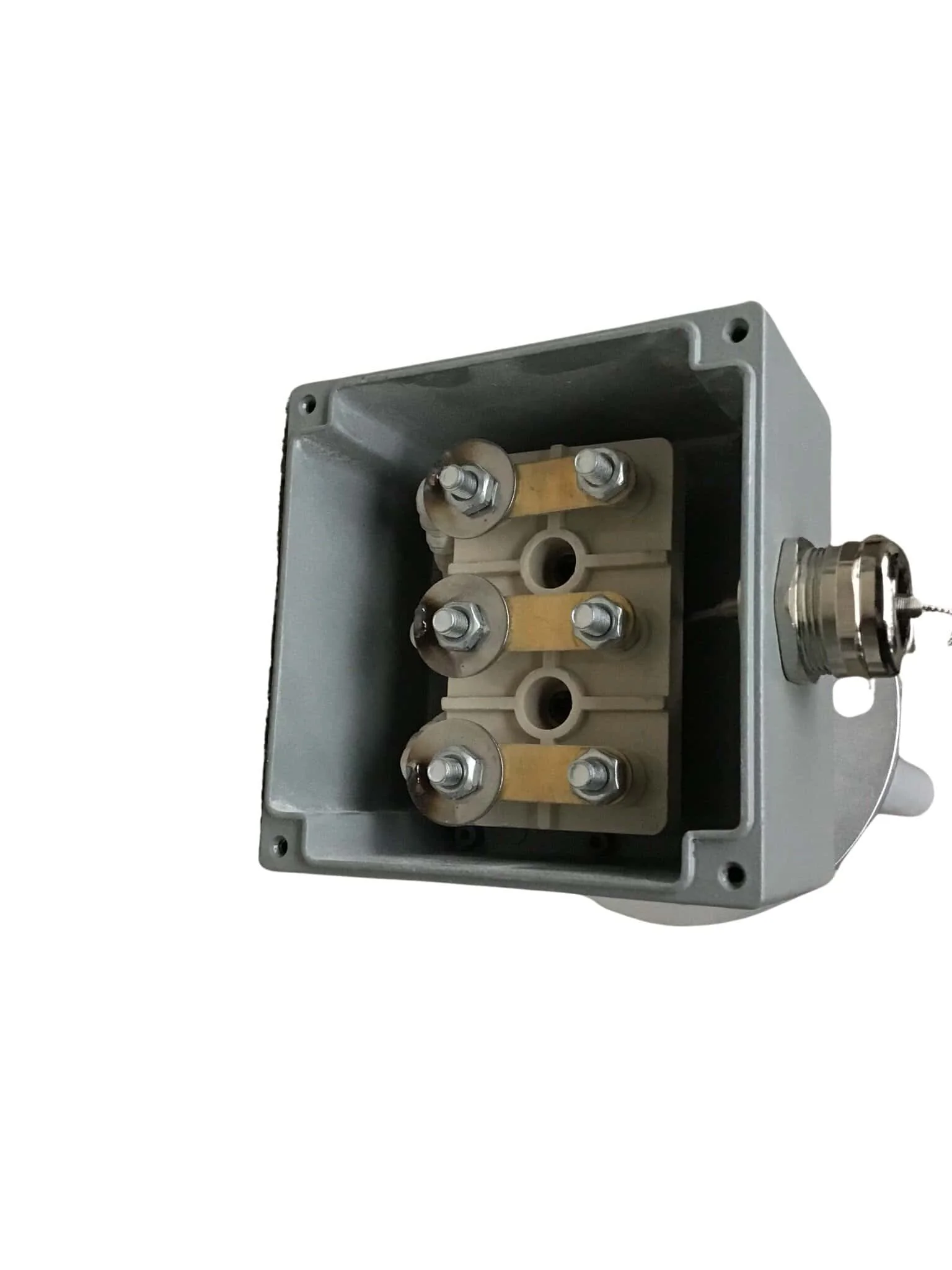
Sialon ULTRA™-varmeelementet kan tilpasses fuldstændigt: nominel effekt, spænding (480 V trefaset, 480 V eller 220 V enfaset, eller specialtilpasset op til 600 V), ydre diameter, samlet længde, varmezonens længde samt valgfrit integreret type K-termoelement. Standardrørets udvendige diameter er 55 mm. Kapaciteterne spænder fra 450 kg til 3.100 kg ved integration i ovne, herunder kompatibilitet med Striko Westomat-doseringsovne.
 —
—
Hvor direkte nedsænkningsopvarmning passer ind i dit støberi
Dypvarmning er den rette teknologi til opbevaring og vedligeholdelse; det er ikke en smelteteknologi. Den typiske opbygning i de fleste støberier er en gas- eller induktionssmelteovn til råmaterialet, efterfulgt af en dypvarmet opbevaringsovn til smeltemassen, der forsyner støbeprocessen.
Anvendelsesområder, hvor Sialon ULTRA™-varmeelementet fungerer bedst:
- Varmeovne – den primære anvendelse; opretholder temperaturen mellem produktionscyklusserne uden indgriben fra operatøren
- Afgasnings- og filtreringsanlæg – kompenserer for varmetabet under fjernelse af brint og filtrering gennem keramisk skum uden at påvirke overfladen
- Genopvarmning af skovle – bærbar opvarmning opretholder metaltemperaturen under transporten gennem anlægget
- Lavtryksstøbning (LPDC) – trange ovngeometrier, hvor brænderne ikke kan være der; varmeelementets kompakte størrelse er en fordel
- Filterkasser og filterhjul – forhindrer, at metallet afkøles til under støbeviskositeten under filtreringen
For store virksomheder, der leverer til gigafabrikker til elbiler eller OEM-produktionslinjer inden for luft- og rumfart, bliver denne ændring i CO₂-regnskabet også stadig mere relevant: Nedsænkningsopvarmning omregner Scope 1-emissioner fra direkte forbrænding til Scope 2-emissioner fra indkøbt elektricitet. I takt med at elnettet bliver mere CO₂-neutralt, forstærkes denne ændring med tiden, selv uden yderligere teknologiske ændringer.
Prøv Sialon-keramik
Sialon Ceramics har i 40 år udviklet keramiske komponenter til de specifikke forhold, der gør sig gældende i miljøer med smeltet ikke-jernholdigt metal – ikke som en udvidelse af produktsortimentet, men som virksomhedens eneste fokusområde. Sialon ULTRA™-aluminiumsdypvarmeren er resultatet af denne specialisering: fire ULTRA-kvaliteter (ULTRA-001 til ULTRA-004) med skræddersyede materialeegenskaber, fuld tilpasning til dine ovnspecifikationer samt en 12-måneders garanti mod både kemisk angreb og elektriske defekter, som de fleste konkurrenter ikke kan matche.
 Hvis du bruger gasfyrede opbevaringsovne og endnu ikke har overvejet anvendelse af elvarmeelementer, er energitallene i sig selv som regel grund nok til at tage en snak om det. Det produktside indeholder de detaljerede specifikationer; teamet i København yder direkte teknisk support i forbindelse med spørgsmål om dimensionering og integration. For aktiviteter i Nordamerika: gratis support på +1 (833) 709-1399.
Ofte stillede spørgsmål
Hvad er et siliciumnitrid-dypvarmeelement, og hvordan fungerer det i et aluminiumsstøberi?
Et siliciumnitrid-dypvarmeelement er et direkte varmeelement fremstillet af keramik af silicium-aluminium-oxynitrid (Si₃Al₃O₃N₅), der er konstrueret til at være fuldstændigt nedsænket i et bad af smeltet aluminium. I stedet for at opvarme badet udefra overfører elementet varme via elektrisk modstand direkte gennem den keramiske kappe til det omgivende metal, hvilket giver en energieffektivitet på over 99 %. Siliciumnitridkeramikens ikke-væskeabsorberende overflade forhindrer smeltet aluminium i at klæbe sig fast til røret, hvilket gør det muligt at anvende det kontinuerligt i en holdovn ved 660–750 °C uden nedbrydning.
Hvor meget energi kan et aluminiumsstøberi spare ved at skifte fra gas til nedsænkningsvarme med siliciumnitrid?
Støberier, der skifter fra gasfyret indirekte opvarmning (typisk 20–45 % termisk virkningsgrad) til direkte nedsænkningsopvarmning med siliciumnitrid (>99 % virkningsgrad), melder gennemgående om reduktioner på 20–40 % i energiomkostningerne til opvarmning. For en 2-tons holdovn, der kører i kontinuerlige skift, svarer det til et afkast på investeringen på under 8 måneder alene gennem energibesparelser, før man medregner reducerede slagtab og lavere vedligeholdelsesfrekvens.
Kan et siliciumnitrid-dypvarmeelement fuldstændigt erstatte en gasovn i et aluminiumsstøberi?
Til opbevaring og temperaturregulering, ja. Til smeltning af koldt skrot fra fast tilstand, nej. Den praktiske opsætning i de fleste støberier er en gas- eller induktionssmelteovn til at smelte ladningen, efterfulgt af en nedsænkningsopvarmet opbevaringsovn til at opretholde smeltebadet med en nøjagtighed på ±2 °C til støbning. Siliciumnitrid-nedsænkningsvarmere fås i konfigurationer med en ovnkapacitet fra 450 kg til 3.100 kg, herunder integration med Striko Westomat-doseringsovne.
Hvilken garanti gælder der for Sialon Ceramics’ siliciumnitrid-dypvarmer, og hvad dækker den?
Sialon ULTRA™-aluminiumsdypvarmeren leveres med en fuld 12-måneders garanti, der dækker både kemisk angreb i smeltet aluminium og elektriske fejl. Denne dobbelte dækning afspejler tilliden til både keramikens modstandsdygtighed over for angreb fra flux og oxider samt det elektriske designs pålidelighed under kontinuerlig termisk og elektrisk belastning i et miljø med smeltet metal.
Hvad er årsagen til, at rør til nedsænkningsvarmere af siliciumnitrid går i stykker, og hvordan kan man forhindre det?
De fleste fejl skyldes tre hovedårsager: aluminium, der befugter og trænger ind i keramiske porer, kemisk angreb fra smeltemidler og salte samt termisk chok som følge af hurtige temperaturændringer. Sialon-keramik (Si₃Al₃O₃N₅) imødegår imidlertid alle tre. For det første forhindrer en porøsitet tæt på nul, at metal trænger ind. Derudover er materialets kemiske sammensætning praktisk talt immun over for angreb fra smeltemidler. Endelig muliggør varmeschokmodstanden på 550–900 °C direkte nedsænkning, forudsat at der følges en forvarmningsprocedure på 10–15 minutter.
Resultatet er en levetid på over 12 måneder, hvor keramik af lavere kvalitet kun holder i nogle uger.


 ZDialer-opkald